

Let me get one thing out of the way. I am not a religious woman, but I love churches. I love their silence, and I love that someone once took enormous trouble to build a space for something you cannot see, yet which shapes the days of countless people who can. I have always been drawn to art history too, and ecclesiastical art is a fascinating genre of its own. Last winter I found myself in the Unterlinden Museum in Colmar, staring at Jesus's old underwear.
And while the indignation rises in you — *how dare she* — let me explain that what I was actually looking at is a masterpiece, the Isenheim Altarpiece, painted by the German artist Matthias Grünewald between 1512 and 1516, originally for a monastery of Saint Anthony. (A small aside for the curious: in Finland they have an actual expression for something extremely old. They say it is "as old as Jesus's underpants." So a Finn would have understood my title instantly, and the rest of you may borrow the phrase with my blessing.)
The subject of the painting is not, of course, Jesus's old underwear.
The subject is the Crucifixion of Christ and what followed — surely the single most common theme in all of Western religious art. No doubt the columns I've been writing these past years have rearranged how I see things, because while admiring Grünewald's skill, I caught myself studying the loincloth. It may be the most painted garment in Western religious art that nobody calls a garment. The *perizonium*, the loincloth of Christ. In thousands of churches, on thousands of altarpieces, century after century, the same scrap of cloth around the same hips — and yet if you ask anyone what the central item of clothing in Christian imagery is, no one answers "underwear." Even though that is exactly what it is.
The art historian Leo Steinberg argued in *The Sexuality of Christ in Renaissance Art* (1983) that the way Renaissance painters depicted that cloth was no accident: it slips so low that it reveals as much as it conceals, and it billows in just the way that sends the eye where it has no business going. An inch higher, and the image would be indecent. An inch lower, and it would be merely a naked man.
The holiest subject in all of Western art rests on precisely what one piece of cloth manages *not* to show.
Steinberg held this to be deliberate on the painters' part, because it affirmed Christ's humanity. His views have since been frowned upon, which surprises me not at all. Whenever underwear is discussed in public, or depicted, it causes offence.
You think I exaggerate? Here is a real example, the facts of which you can check yourself. After the Council of Trent condemned nudity in sacred art in 1563, Pope Pius IV sent the painter Daniele da Volterra to paint loincloths over the naked figures in Michelangelo's *Last Judgment*. The man did the job so diligently that he went down in history under the name *Il Braghettone* — the breeches-maker. Consider that: an artist remembered above all for the underwear he added to another artist's masterpiece.
The undergarment was not the subject of the art but an ideology, painted on top of finished work.
The censorship continued into the seventeenth century, and some of the covering was done after Volterra, so there was more than one underwear-painter. Some of those breeches have since been removed in restoration; some were left in place as evidence of the era's idea of decency.
Let me return to Steinberg, whose reading is not beyond dispute. The art historian Charles Hope, for one, attacked it, arguing that Steinberg sees intention where there is only anatomy. Which is exactly why those works remain interesting: they force the viewer to decide what they are actually seeing. The same goes, precisely, for underwear advertising in the 2020s. People see what they want to see. If the *perizonium* was painted to summon the eye, Il Braghettone's breeches were painted to send it elsewhere. One hints, the other denies, and both know exactly the same thing. The difference is not one of morality but of honesty: the former admits what it does, the latter does not.
We have grown used to thinking of underwear as the most ordinary object imaginable.
A thing not worth a thought, a thing that lies underneath and is forgotten. It's only underwear. But think a moment longer, and that small piece of cloth carries a great deal more: the sacred and the carnal, concealment and revelation, what we dare to show and what we don't. Painters have known for centuries what the rest of us pretend to keep forgetting. That the thing closest to the skin is never just cloth.
I have trained myself to build narrative bridges out of lighter materials than this, so in principle the piece could end here. But that would feel like stepping off the train one stop too early. Because I have also been wondering about the material of that loincloth. Most likely it was linen, which is not what modern underwear is made of. In those days, and for a long time after, the loincloth was evidently a common undergarment whose only purpose was to hide the genitals from view. It was surely comfortable too, since in hot conditions a well-ventilated underside keeps the sweat at bay.
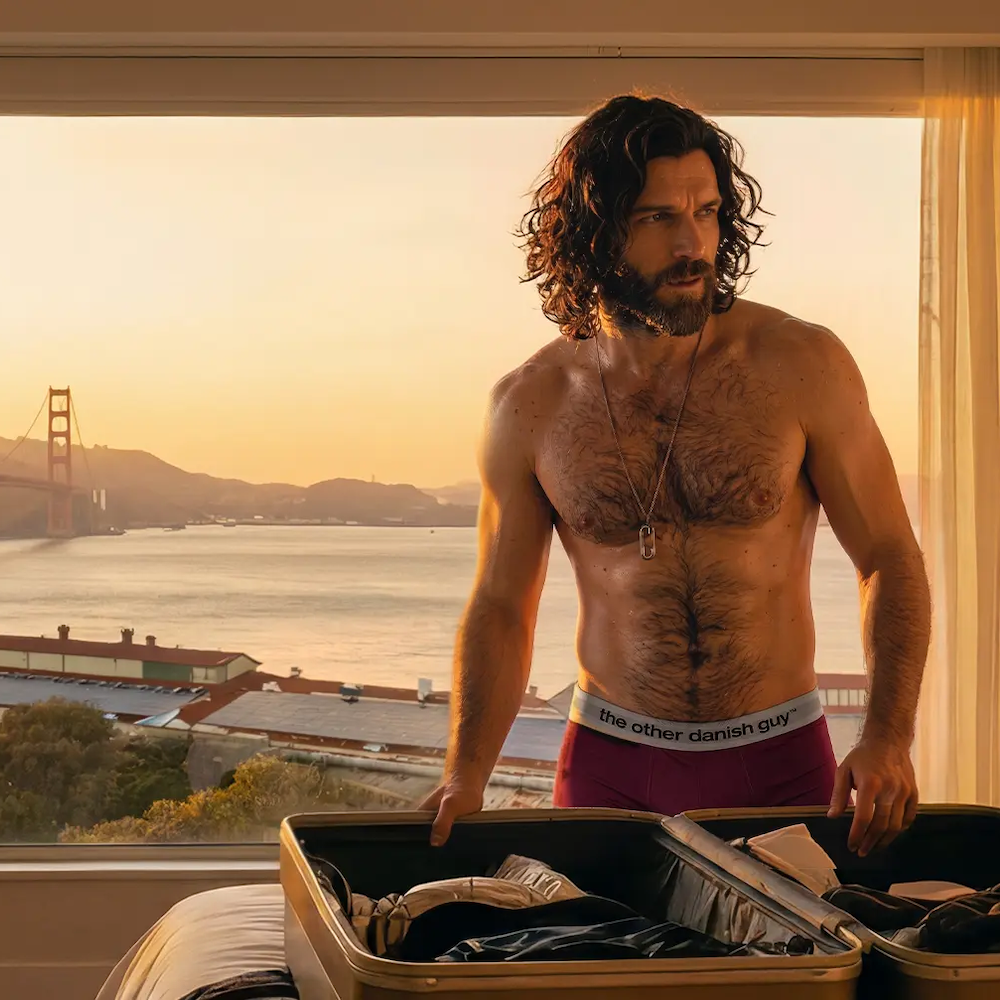
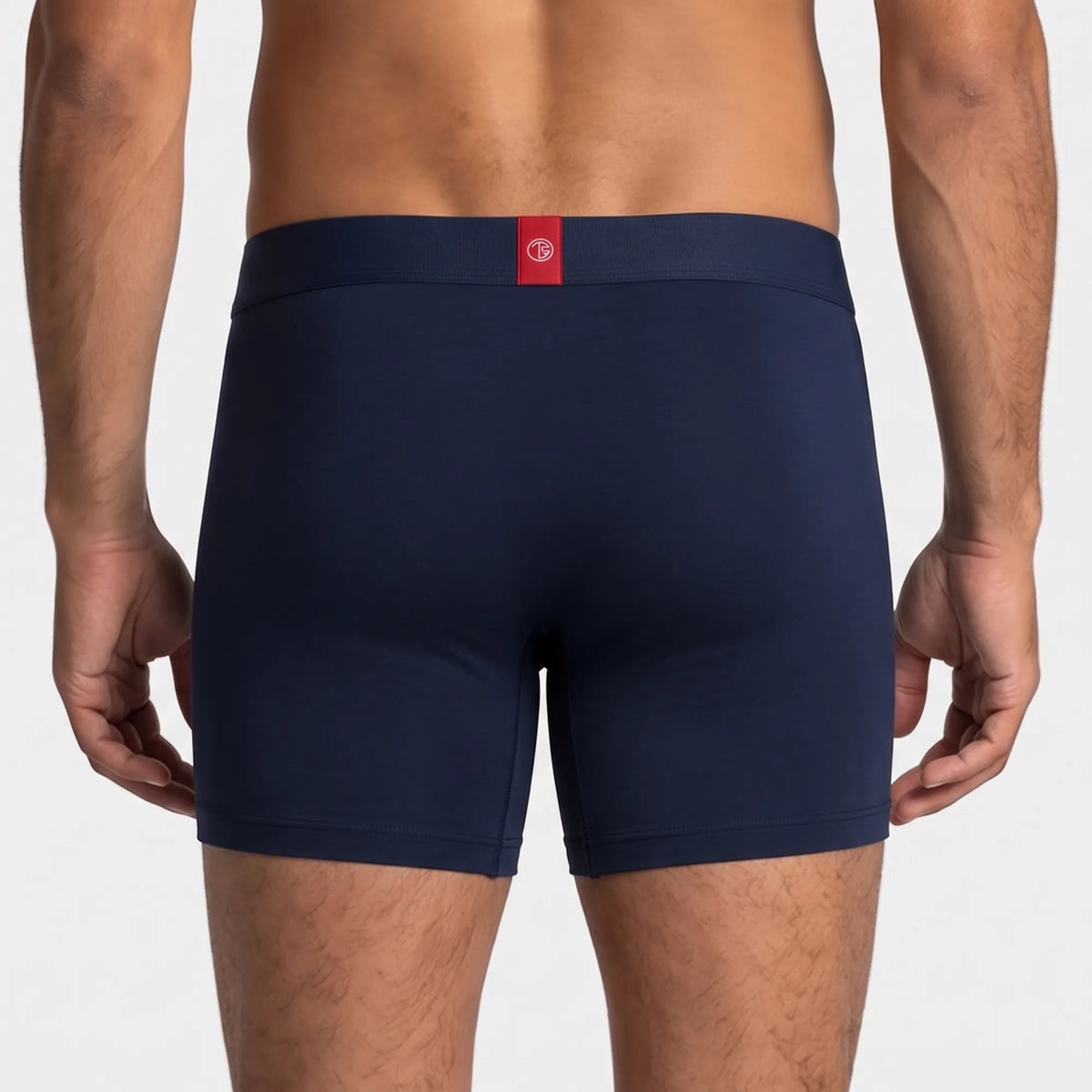
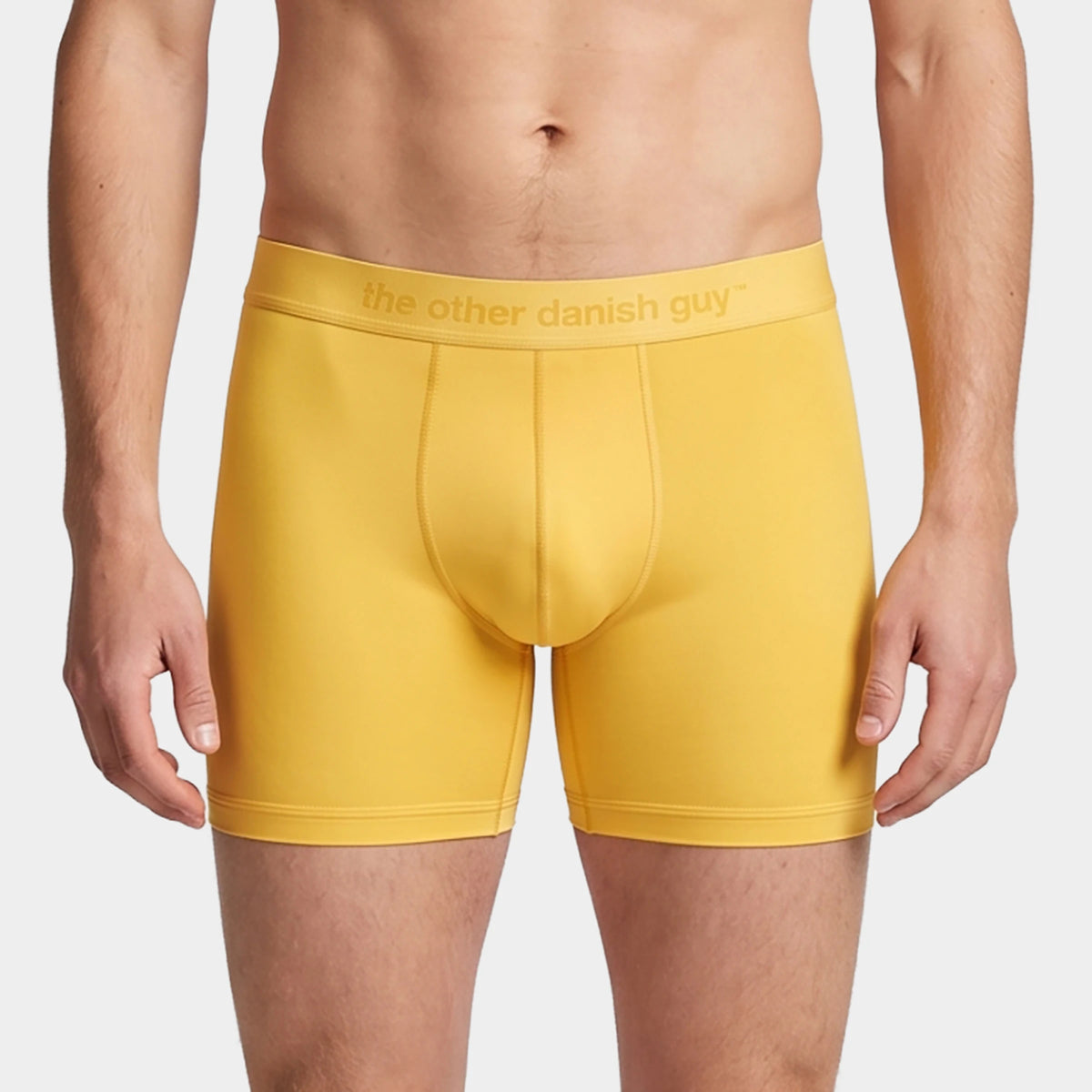
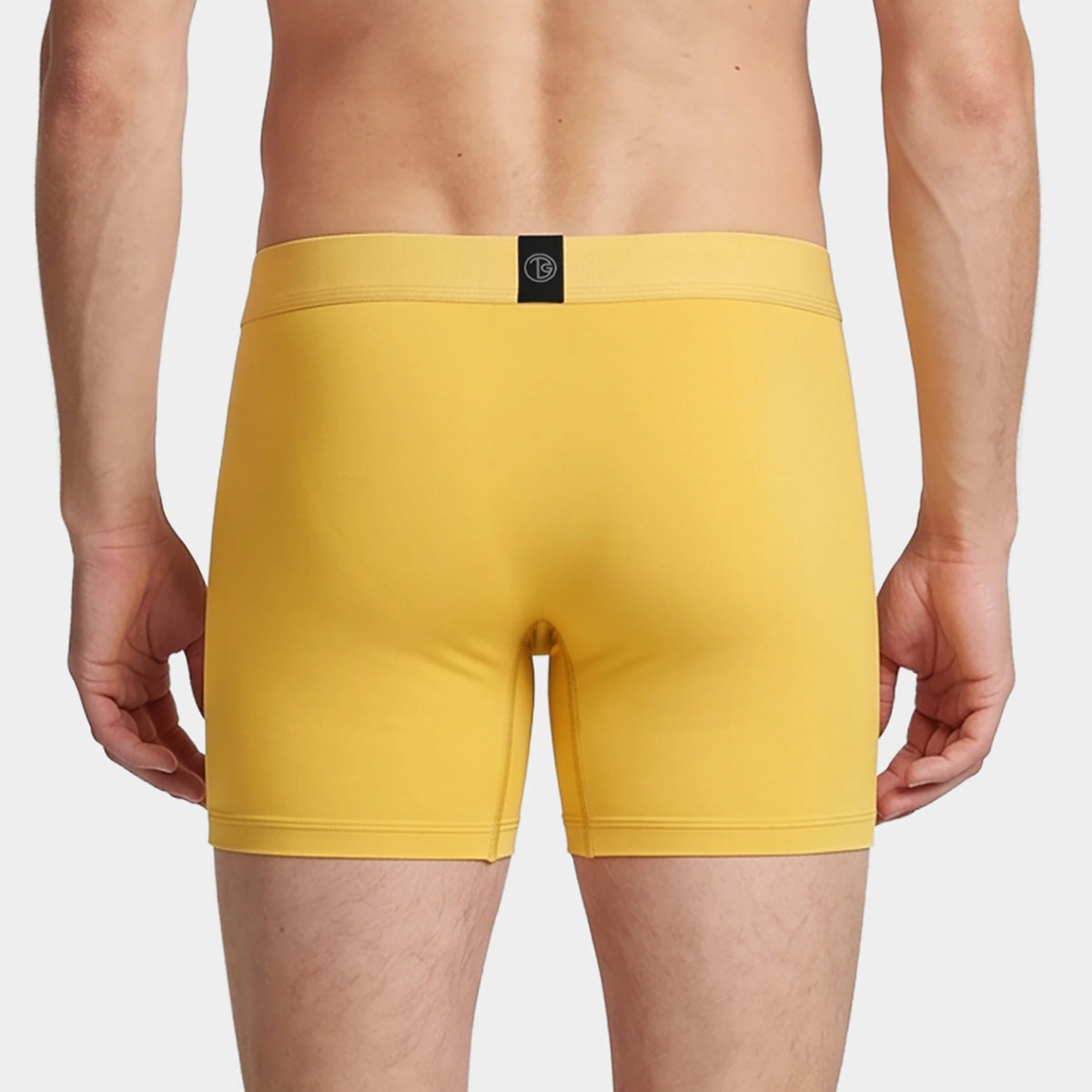
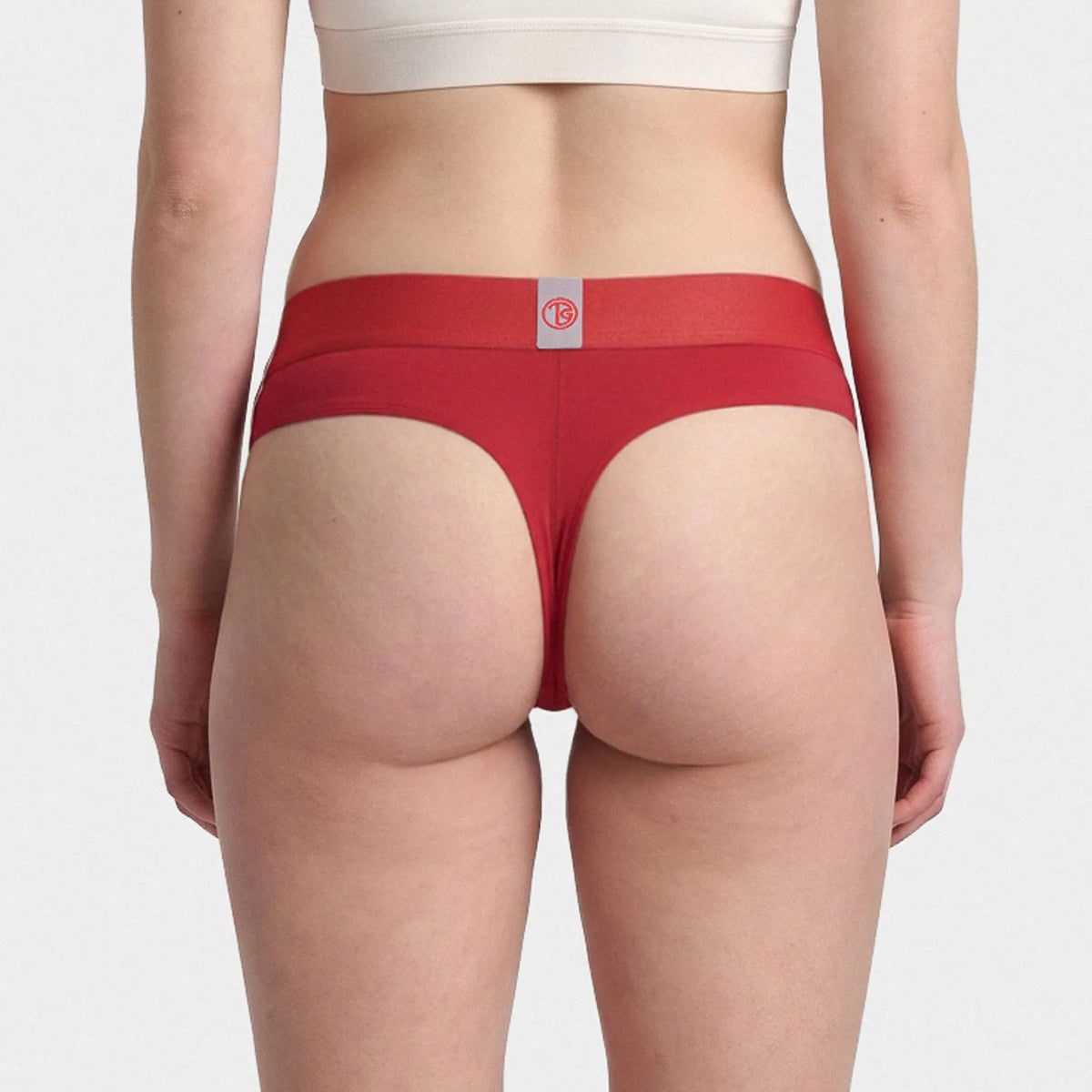
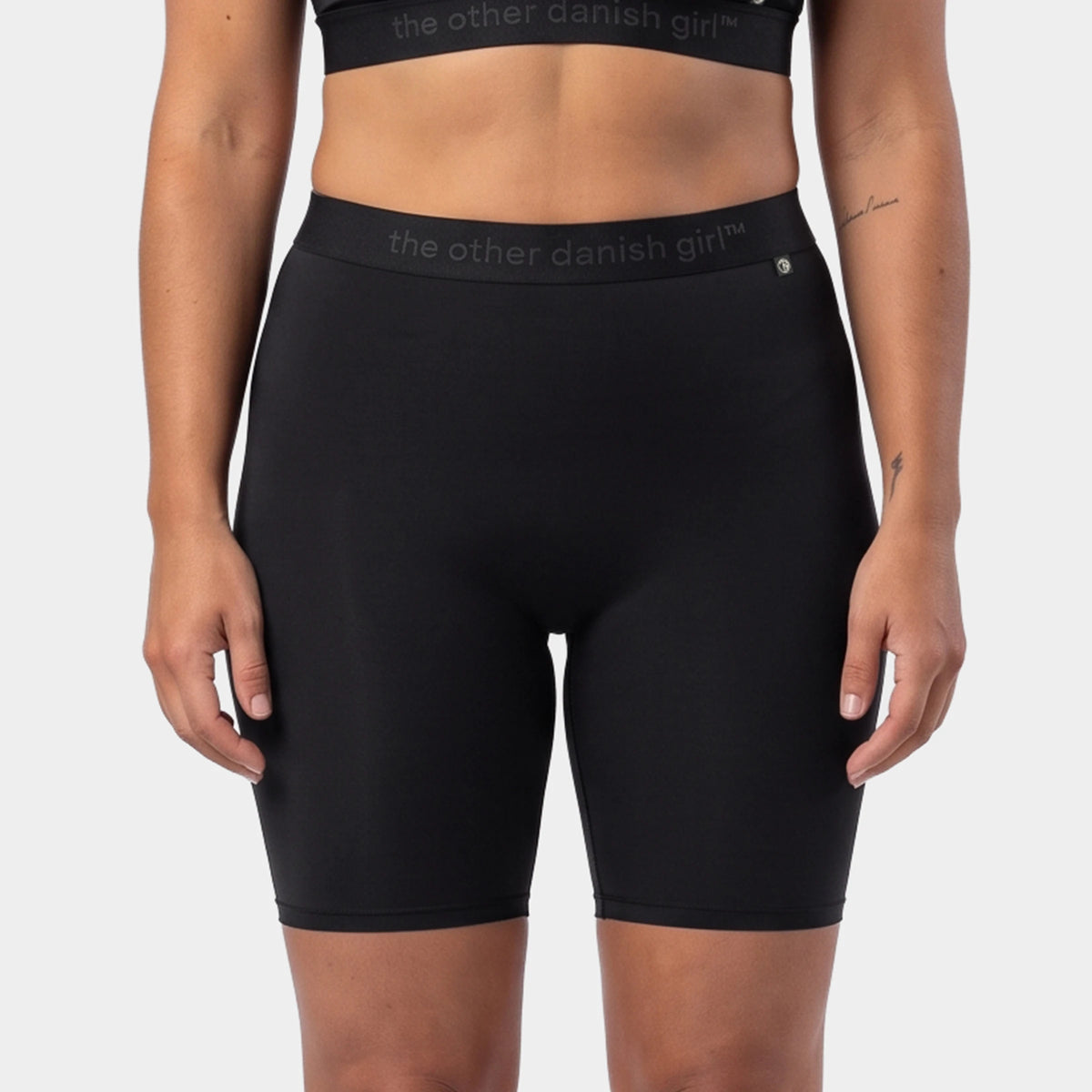
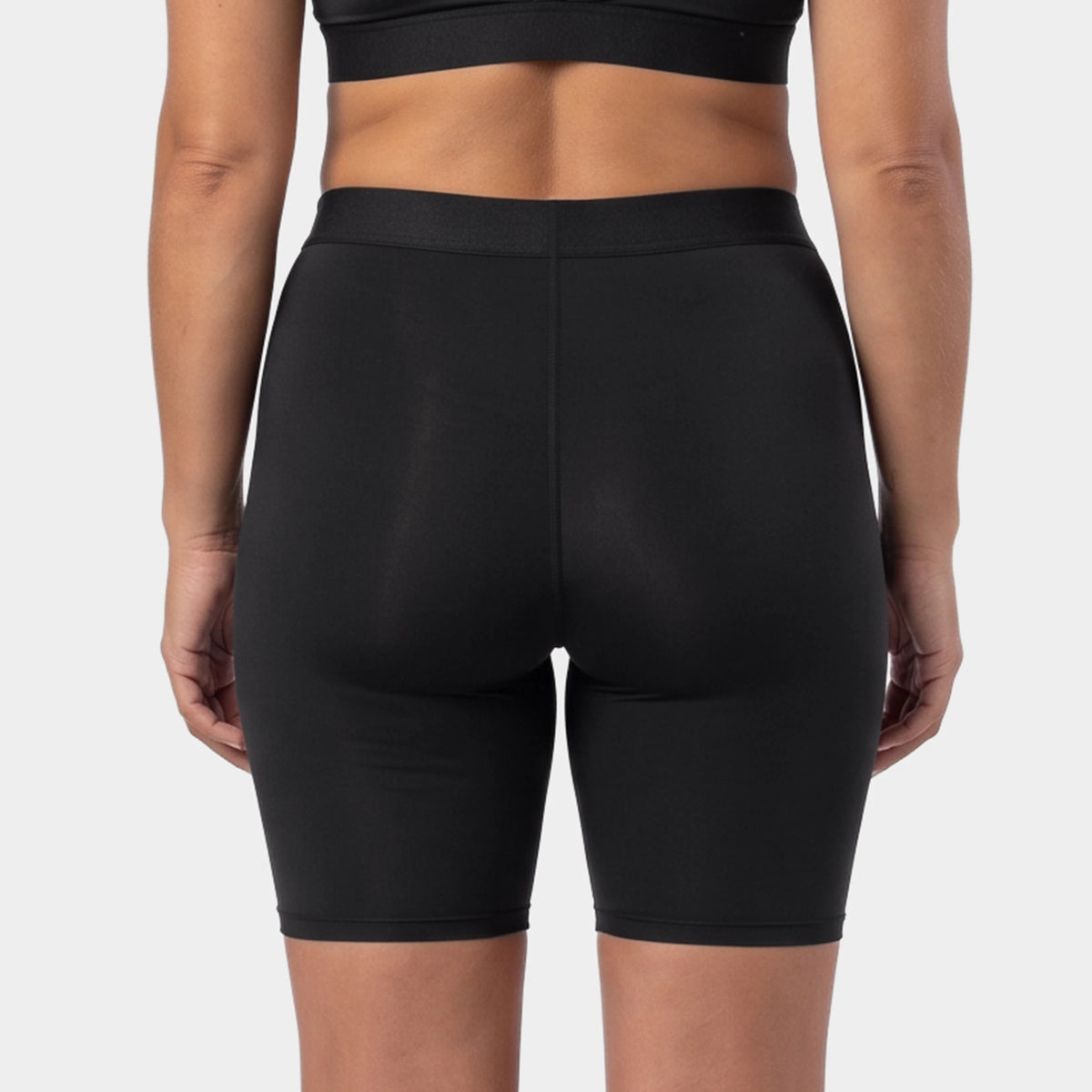
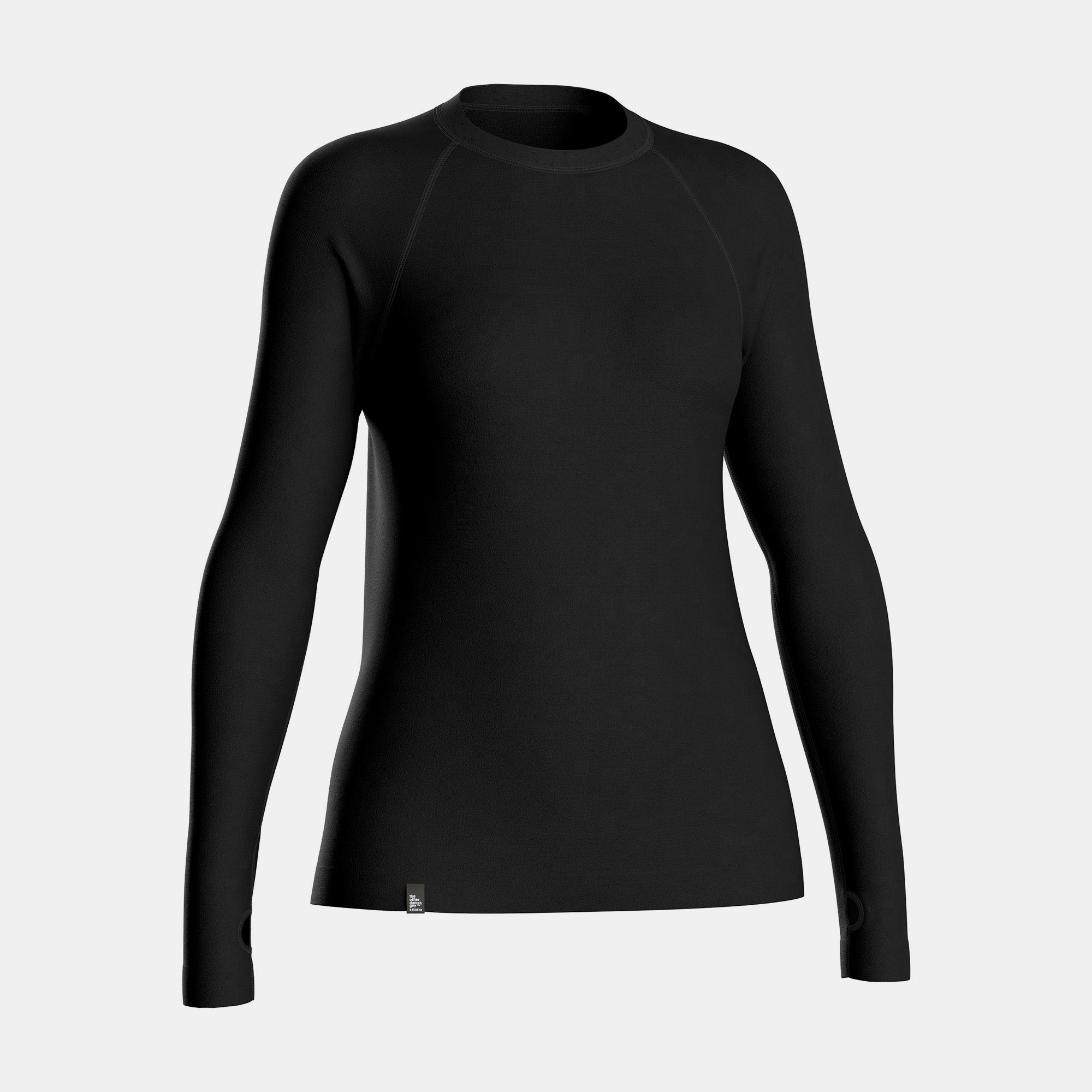
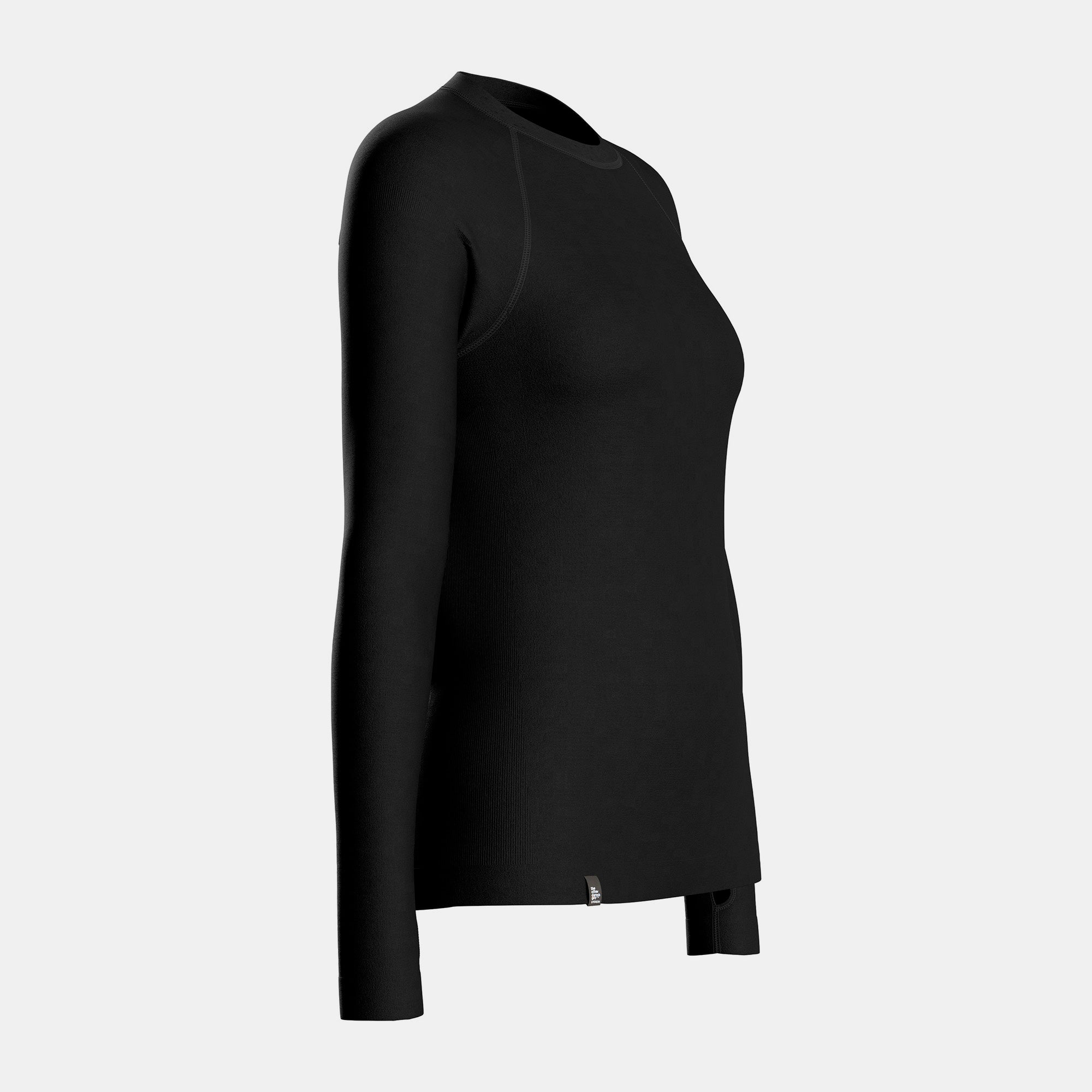
A great deal has happened in the evolution of underwear since — and not all of it good (perhaps I'll write a separate piece on the history of underwear one day). Now that it is summer in the northern hemisphere, the sweaty-balls phenomenon is once again topical. If you're not going to wear a loincloth this summer, a genuinely good pair of boxers does the same job.
You just have to know where to look.





















4 comments
Esa Kuparinen
Morjes. On ennenkin kirjailtu keskenämme. Välillä kirjoituksessaki ( hurja, mutta suomenkielinen sana) lukiessa kuitenkin viesti tuli perille. Jeesuksen ristikuviin on varmastikin maalarit lisänneet rätin lisääntymiselinten päälle. Nimimerkki Lauri on tutkinut ilmeisesti historiaa. Ristille ripustaminen oli siihen aikaan normaalia Rooman imperiumissa, sotilaat huvittelivat. Eleanor Finchin kanssa en ole ollut tekemisisä, mutta Denish Guyn kalsareita olen pitänyt vuosia, eikä vieläkään tunnu missään.
esa 73 v.
Jore Penttinen
Voi pyhä jysäys! Tämä mainos on silkkaa taidetta.
Rakastan ihmisiä ja heidän edustamiaan arvoja silloin, kun kyetään katsomaan asioita
sellaisesta kulmasta, josta niitä ei normaalisti suostuta näkemään.
Tämän kaltaiset tarkastelut antavat toivoa ihmiskunnalle!
Täytyykin laittaa kalsaritilaus tulemaan :)
Lauri
Finch ei oivaltanut lannevaatteen todellista tarkoistusta. Todellisuudessa ristiinnaulituilla ei sellaista ollut, koska tarkoitus oli häpäistä teloitettava. Mutta kun kirkko teki myöhemmin pesäeroa juutalaisuuteen, piti Jeesuksen kuvasta peittää yksityiskohta, joka olisi näyttänyt, että hän on juutalainen. Siksi lannevaate.
Maarit Välimäki
Katsoin nopeesti että ootte saaneet malliksi näyttelijä Michiel Huismanin. Hän voisi näytellä Jeesusta, ellei ole jo sitä tehnytkin joskus.
Leave a comment
All comments are moderated before being published.
This site is protected by hCaptcha and the hCaptcha Privacy Policy and Terms of Service apply.