

Breathable and moisture-wicking. When those two fine-sounding qualities turn up in the marketing of a garment, I have learned to go looking for the evidence behind the claims. The surest way to test whether they hold up is to get soaked to the skin. It is not necessarily the most comfortable way.
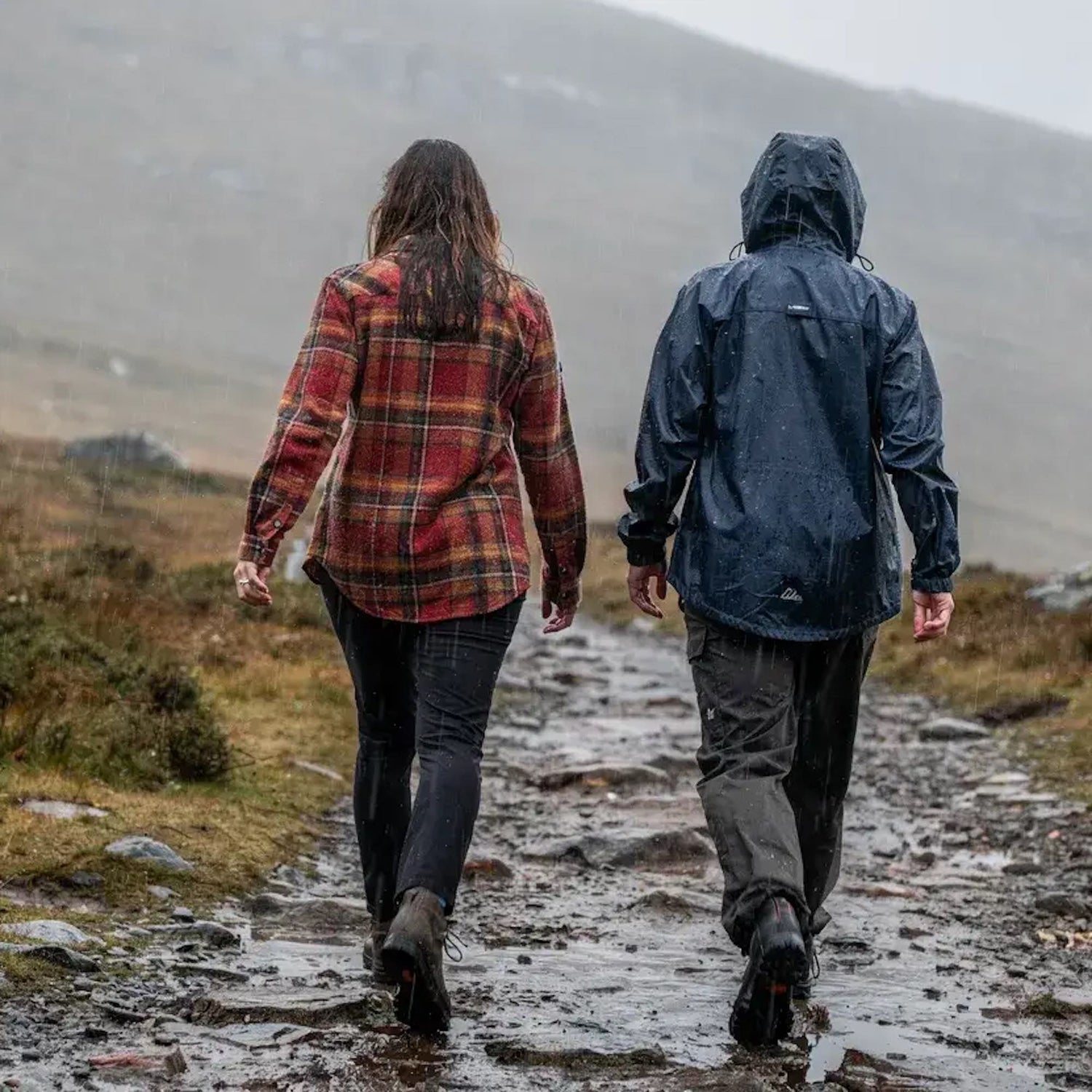
A friend once talked me into a long day walk up Lochnagar, one of the hills of Deeside in Scotland. I agreed because the day was also to end with a visit to the Royal Lochnagar whisky distillery, named after the mountain. Because I like to travel light, I stopped on the way out and bought a shirt that would serve both on the hill and over a glass of whisky. I was sold a checked shirt whose eco-minded cardboard tag was printed with the words moisture wicking and breathable. The sort of shirt worn by sensible, wholesome outdoor people who sip a single malt their own age by a mantelpiece fire at the end of a walk. It goes without saying that I wanted to see myself that way.

We climbed toward the summit. Lord Byron wrote a poem about the mountain in 1807 in which he calls it "dark Lochnagar." I understood the word "dark" the moment the black cloud came down and brought with it eight hours of rain. My new shirt took the water in, stored it, and shared it with me for the rest of the day. At the distillery I shivered, because the shirt refused to dry.
My new shirt took the water in, stored it, and shared it with me for the rest of the day. At the distillery I shivered, because the shirt refused to dry.
At the end of the tour one of the group looked at my wet shirt and told me that mountaineers have a saying for this: cotton kills. He delivered it in the low voice of a man who had known someone who once paid for a bad clothing choice with his life. I said I doubted this shirt was killer material. According to the tag it was made for precisely these conditions. The distillery guide joined in and told us that when John Begg founded the place in 1845 it was called New Lochnagar. Queen Victoria and Prince Albert visited in 1848, having settled across the river at Balmoral, and after the visit Begg was granted a Royal Warrant, and the distillery took the prefix Royal. The mark was granted from outside. It was not adopted by self-declaration.
I like stories, but I also like facts. A story can say whatever it likes about moving moisture, but the material cannot. I checked my shirt's material: sixty percent cotton. The fact is that cotton is cellulose, and the surface of cellulose is covered in hydroxyl groups, tiny molecular hands that grab water and will not let go. A cotton fiber does not get wet. It drinks. It takes in around twenty-five times its own weight in water and holds on to it.
And even where a garment is not moisture-wicking, anyone at all can award themselves the badge. No outside authority is required.
The phenomenon itself is watertight. In 1718 a physician named James Jurin measured how high water climbs inside a narrow glass tube and found that the narrower the tube, the higher the climb. He described capillary action, which is why a candle lifts wax into its own flame. (The candle is also where the word wicking comes from.) A fiber that refuses to soak liquid into itself leaves the surrounding water no option but to travel along the outside, through the narrow channels between the threads, and evaporate until the air carries it away. This is why sweat does not vanish. It is given somewhere to go.
A little hike in the Scottish Highlands taught me to distrust the word breathable too. It is also a story, and I now treat it the way I treat a person who is very good at apologizing.
A garment's breathability has nothing to do with airflow. When something is called breathable, it refers to the number of grams of water vapor that pass through a square meter of the fabric in a day. Under 5,000 grams per square meter per day is a modest figure. Around 10,000 is considered good, over 20,000 is enough for running and the mountains, and the best membranes reach about 40,000. I know, dull but honest. The dishonesty enters with the adjective. A shell jacket can post fine vapor numbers while letting through not a breath of air. Fishnet stockings let through more air than almost anything a person can wear, and yet I have never heard anyone call fishnet stockings breathable.
By common convention any fabric whose number is greater than zero may be called breathable. By that same measure even a brick wall breathes, and structural engineers assure me that, technically, it does. A handsome symbol suggesting airflow, or a credible-looking badge, tells you nothing. If a garment is said to breathe, find the number that says how much water vapor it passes.
I do not want to demonize cotton. Cotton is supreme at absorbing water. It is a sponge. A bath towel is cotton's life goalz. The wrong is done when words with no backing are printed next to it.
A third marketing word comes to mind, thrown around fairly lightly: technical.
It carries a certain performance-enhancing vibe. It usually points at synthetics, which have their own sins, known to anyone who has stood in a cheap polyester shirt in an un-air-conditioned tram on a hot day. The upside is that the sweat does not come through the shirt. Even that experience does not tell the whole truth about synthetics. A technical fabric is a system of three things: the polymer fiber, the knit, and the fit. Do one of them lazily and there is not much left to save in the other two.
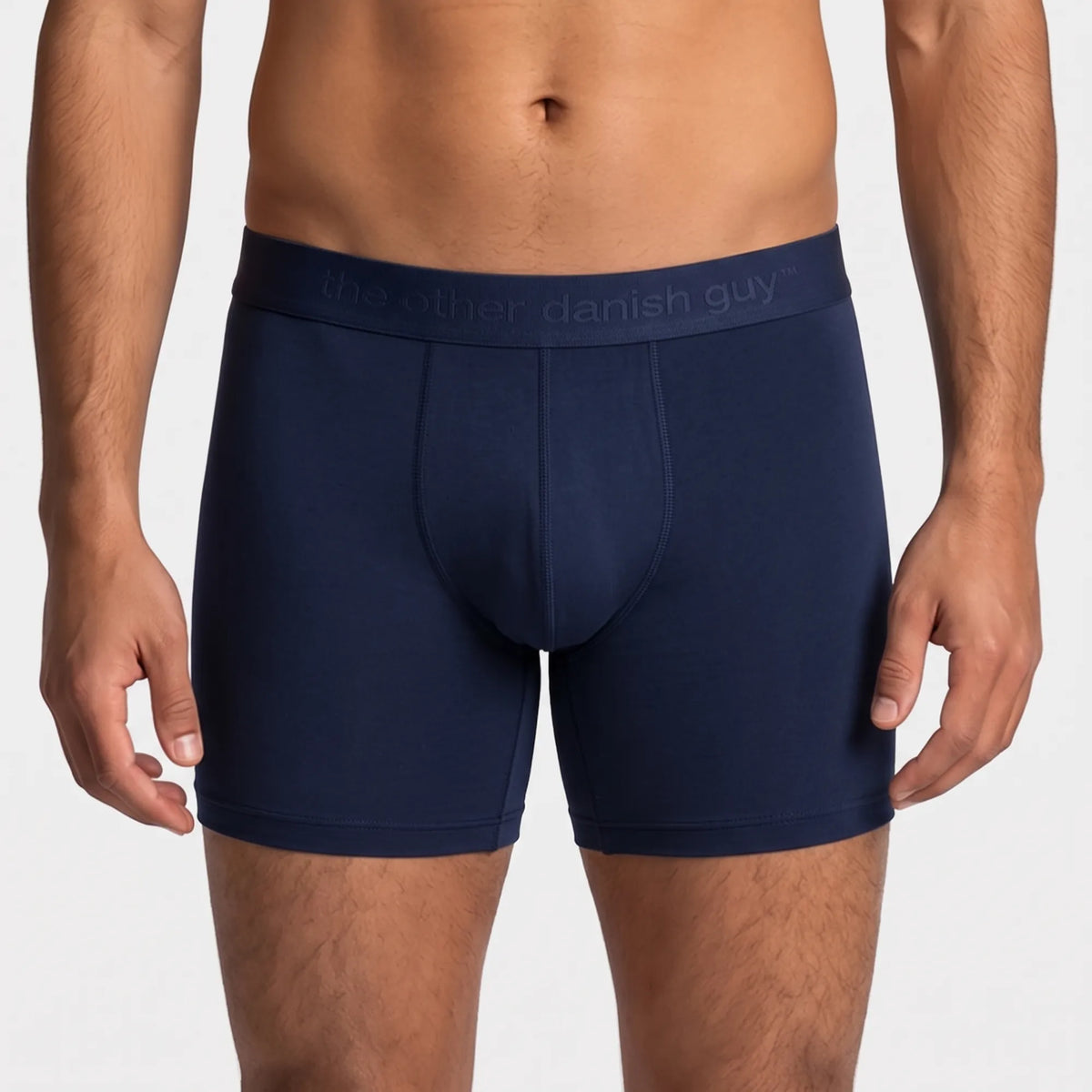
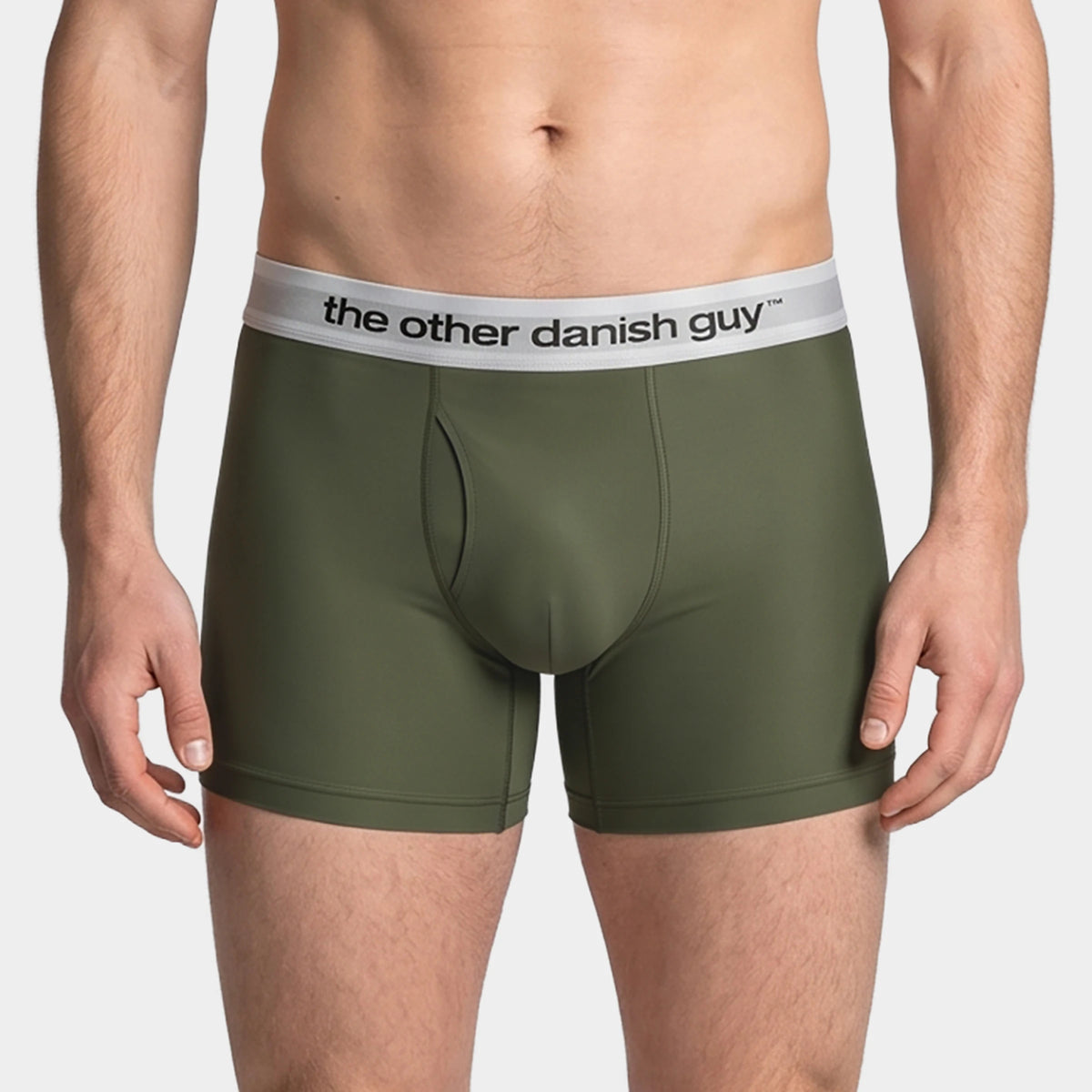
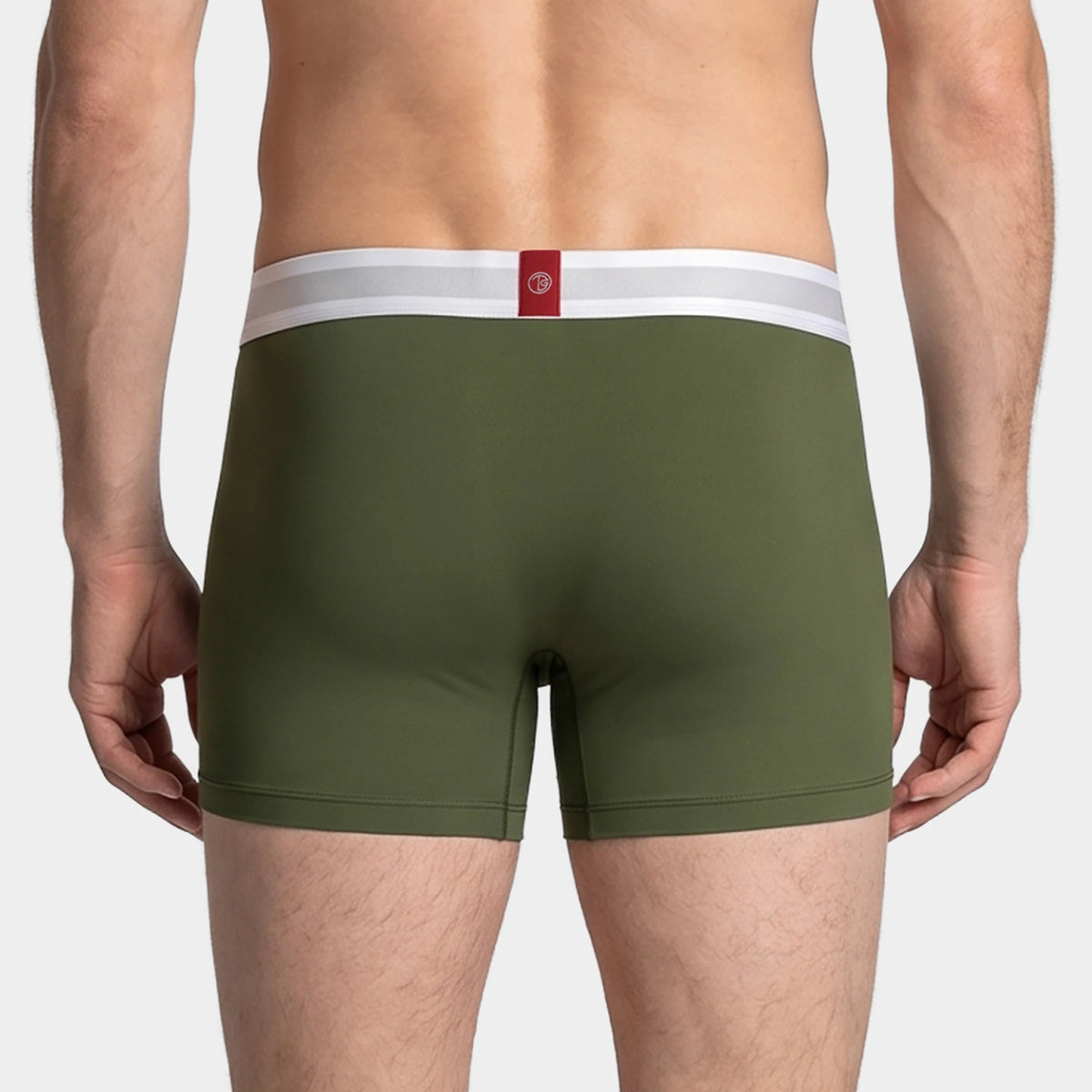
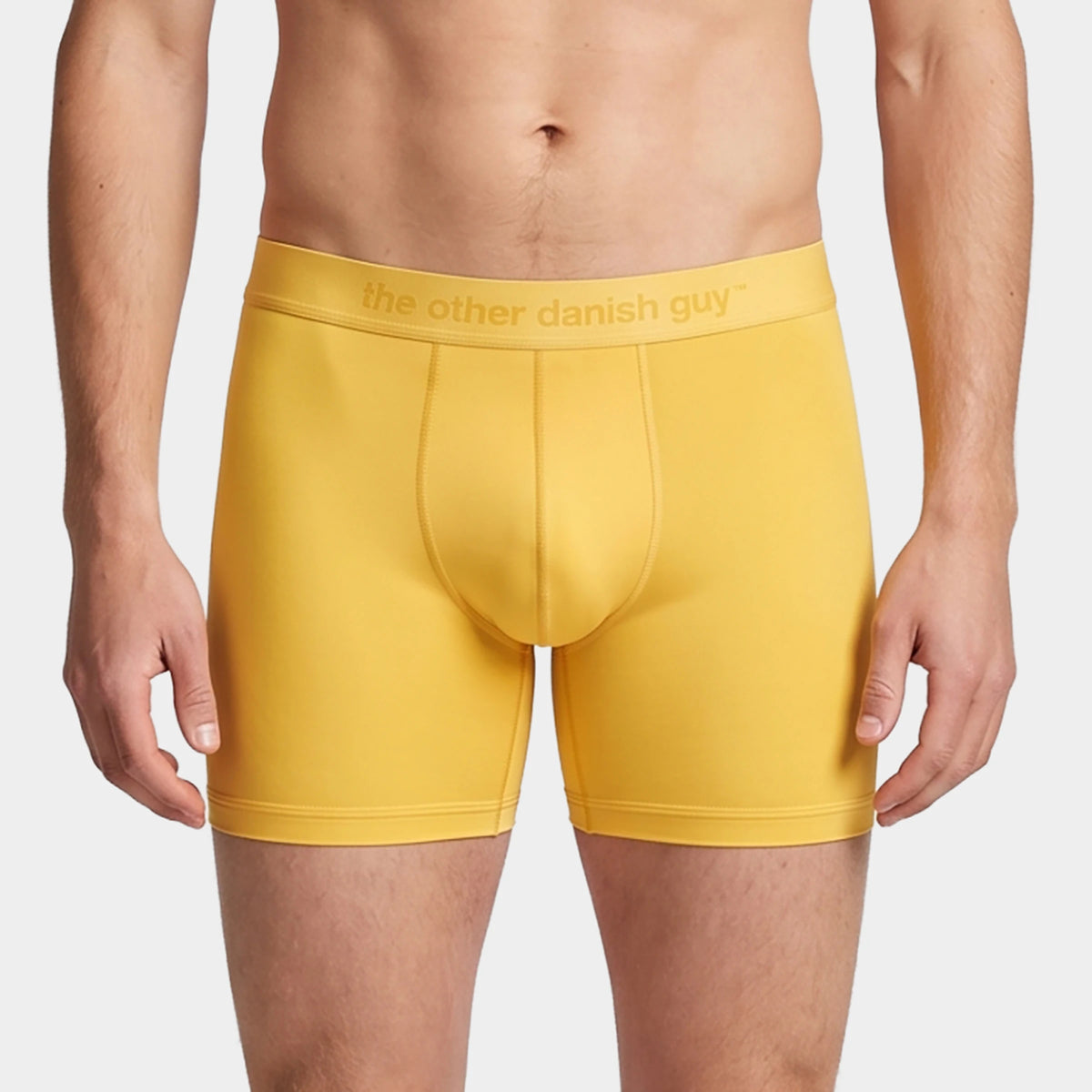
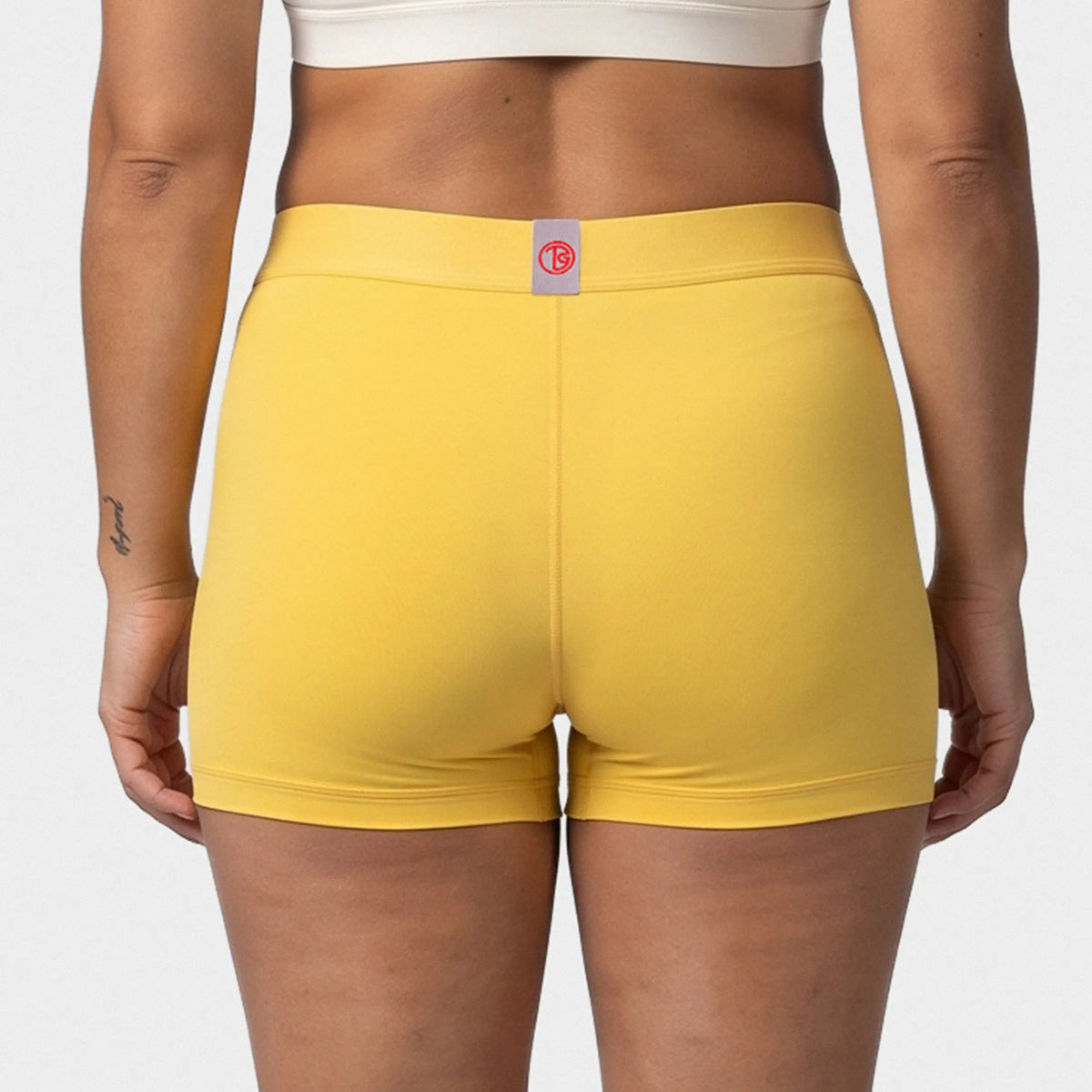
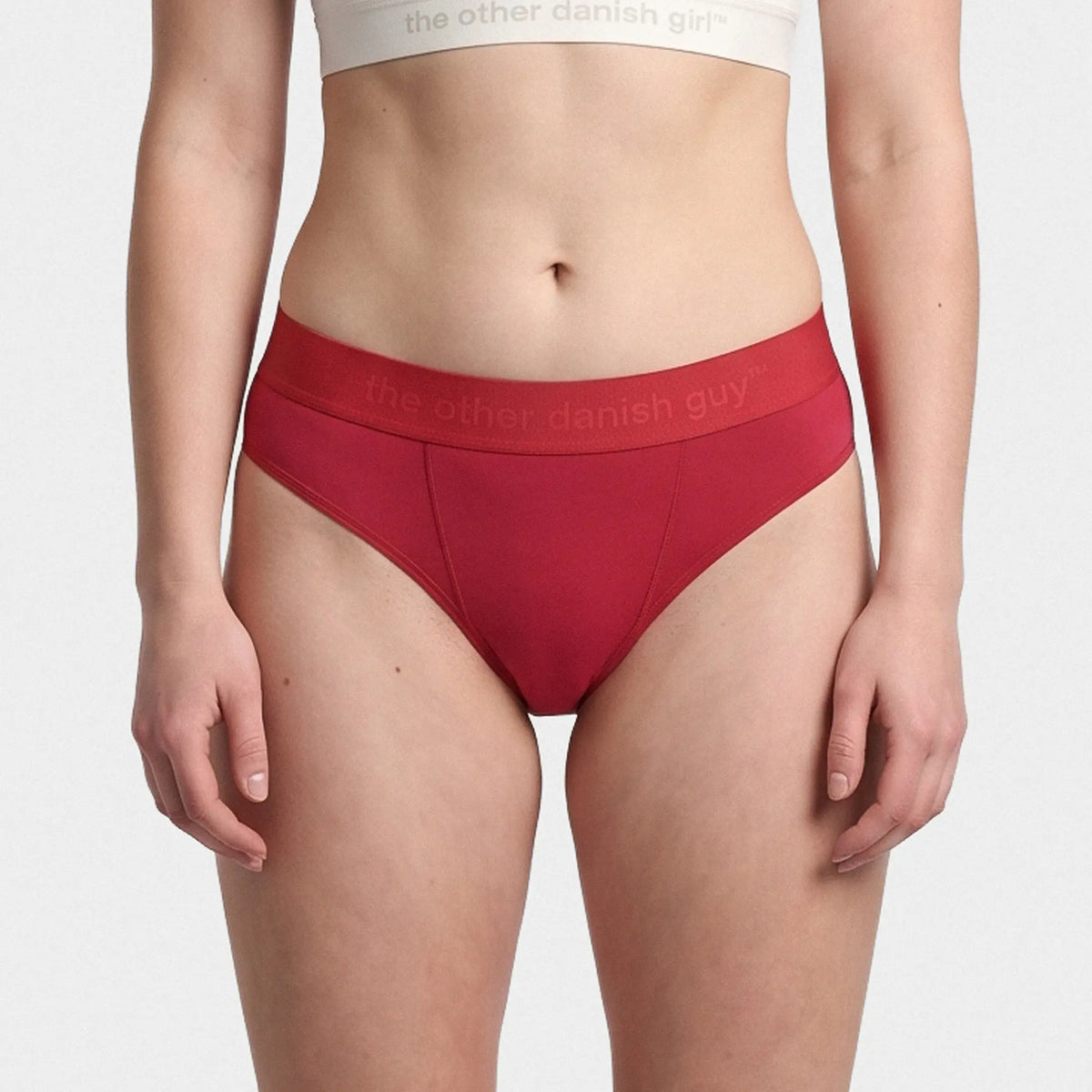
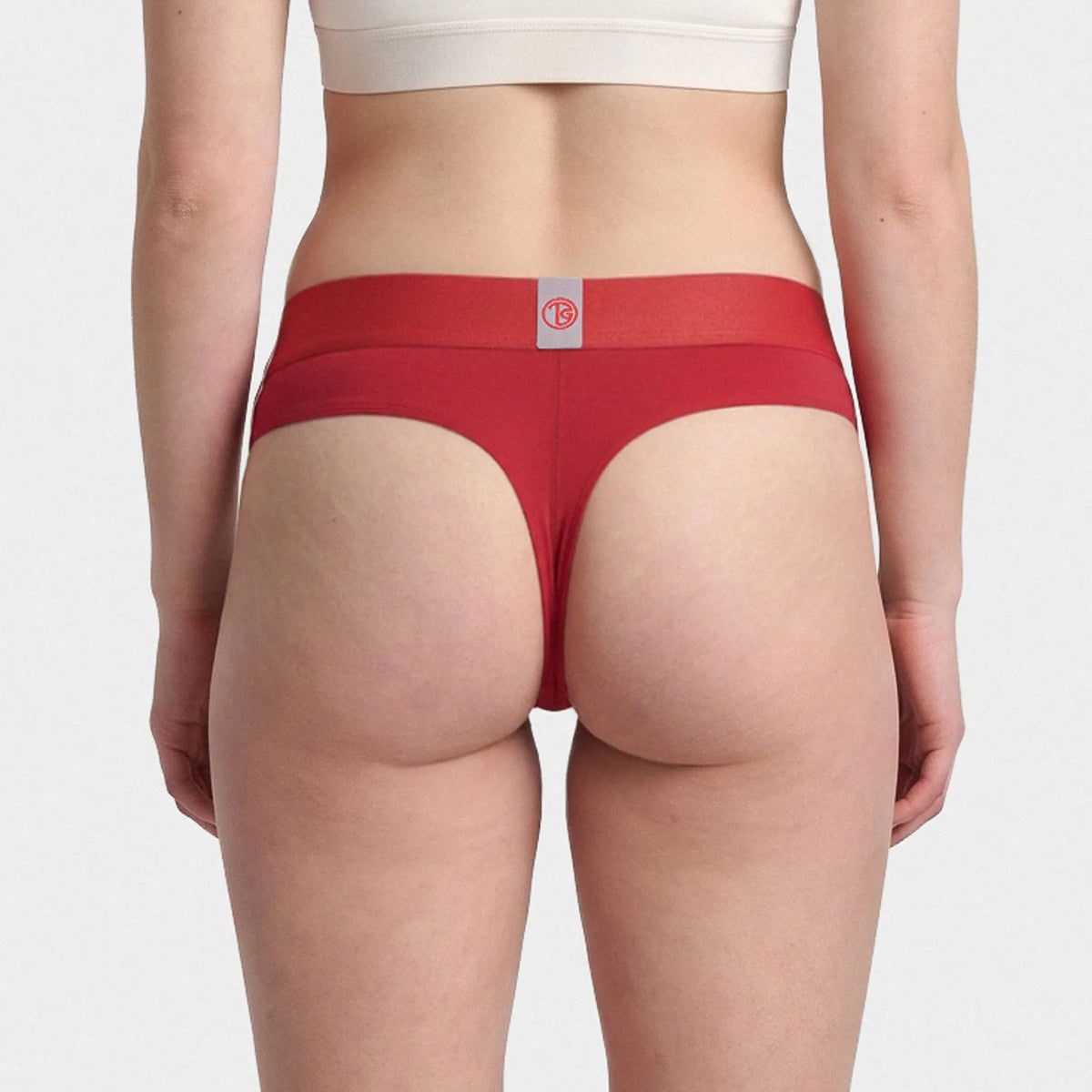
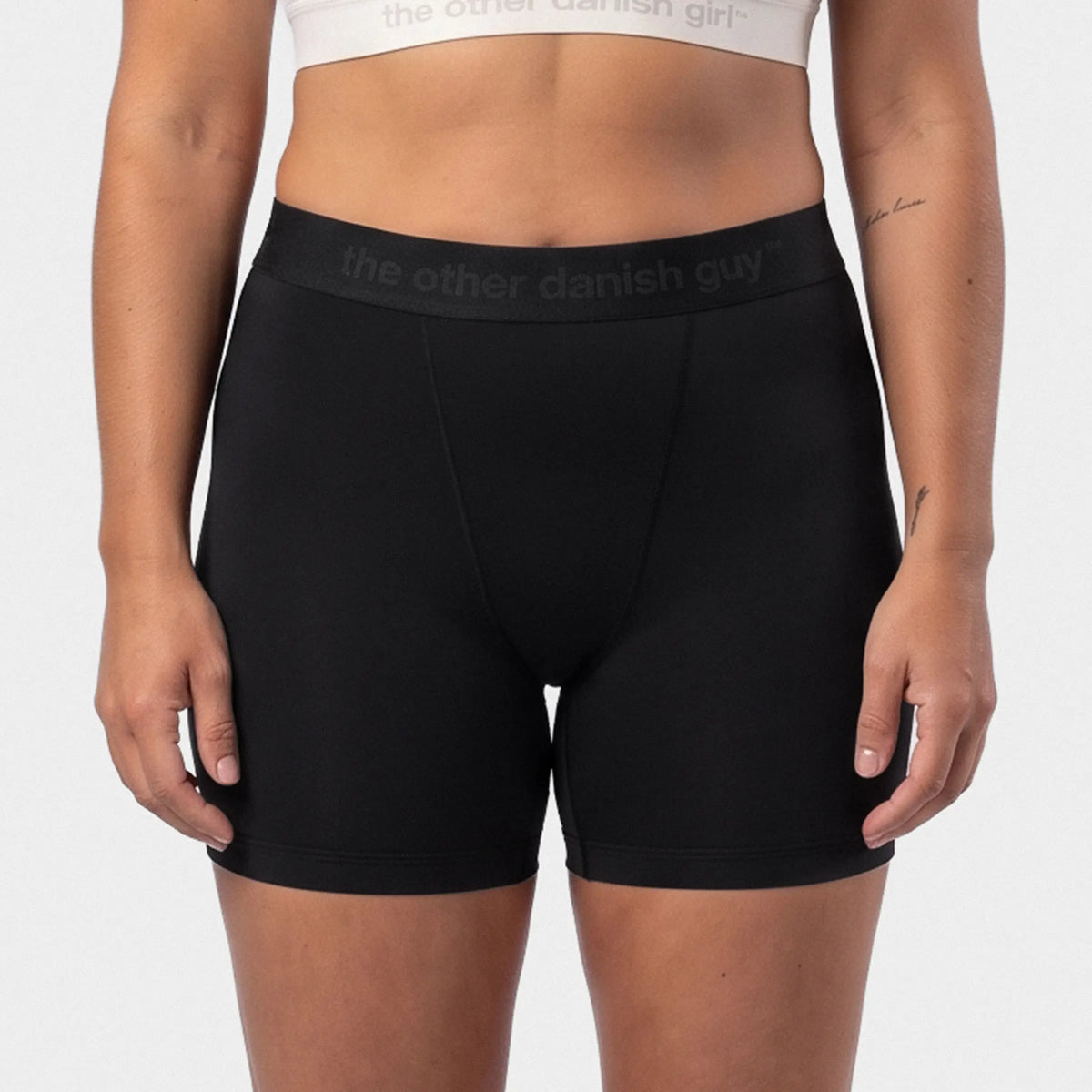
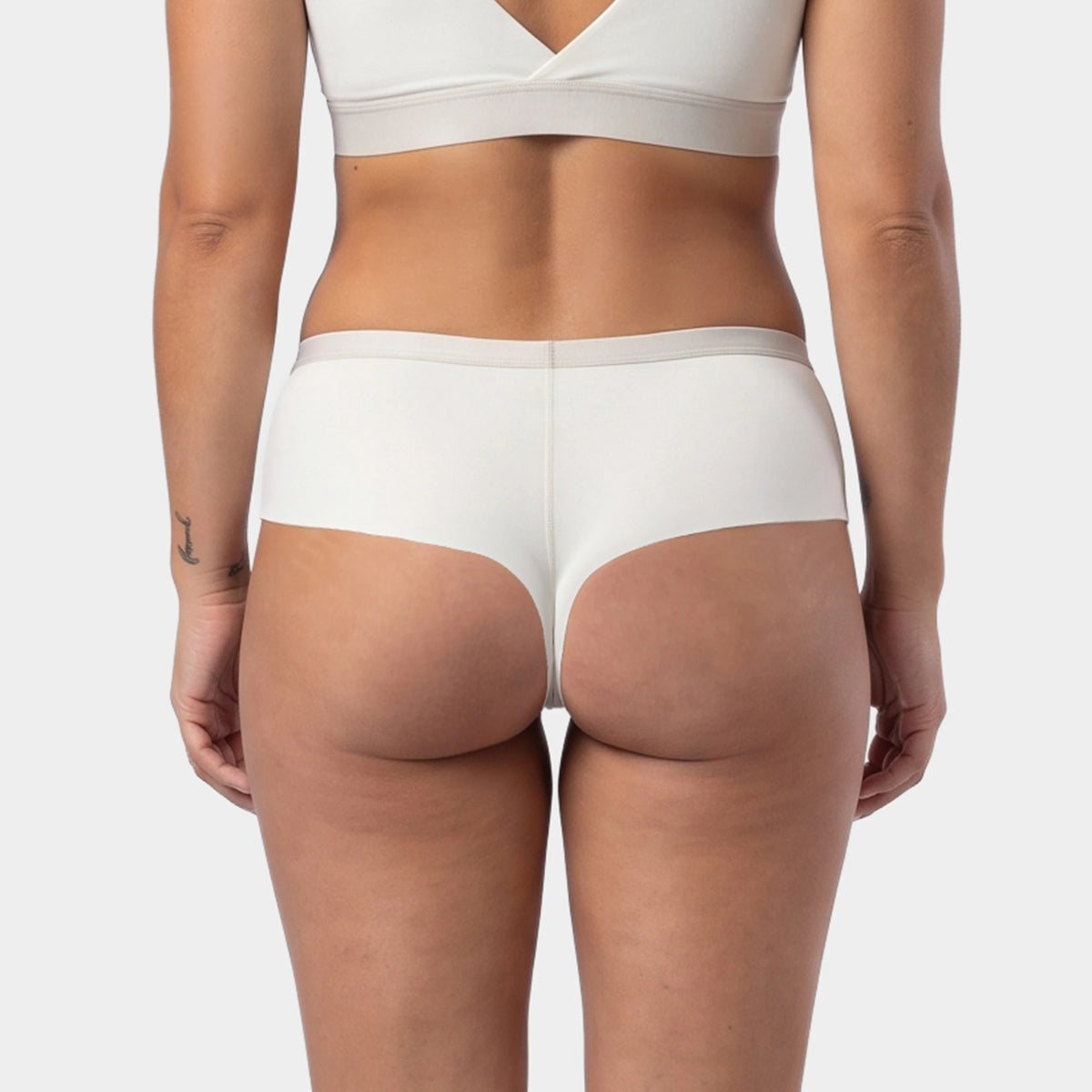
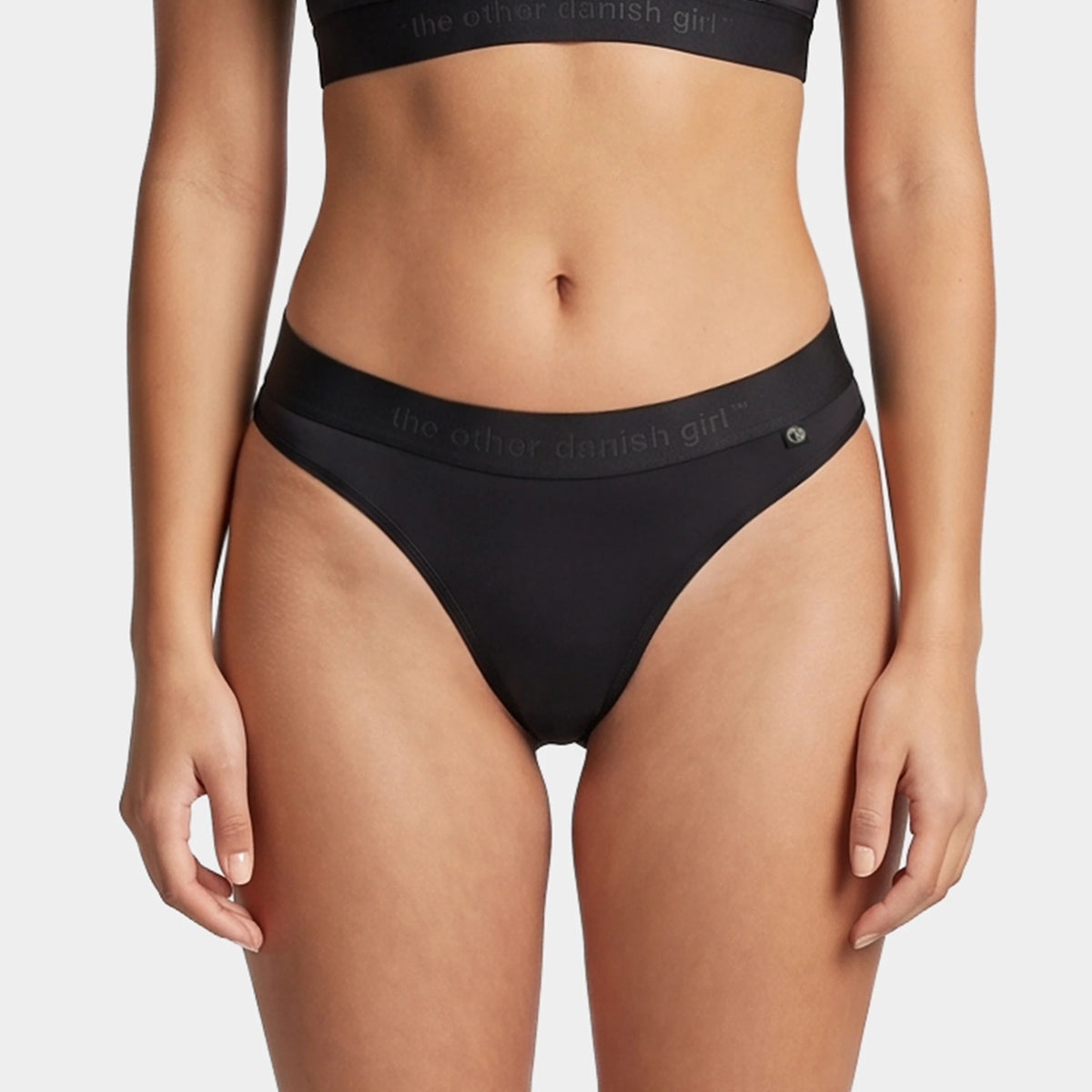
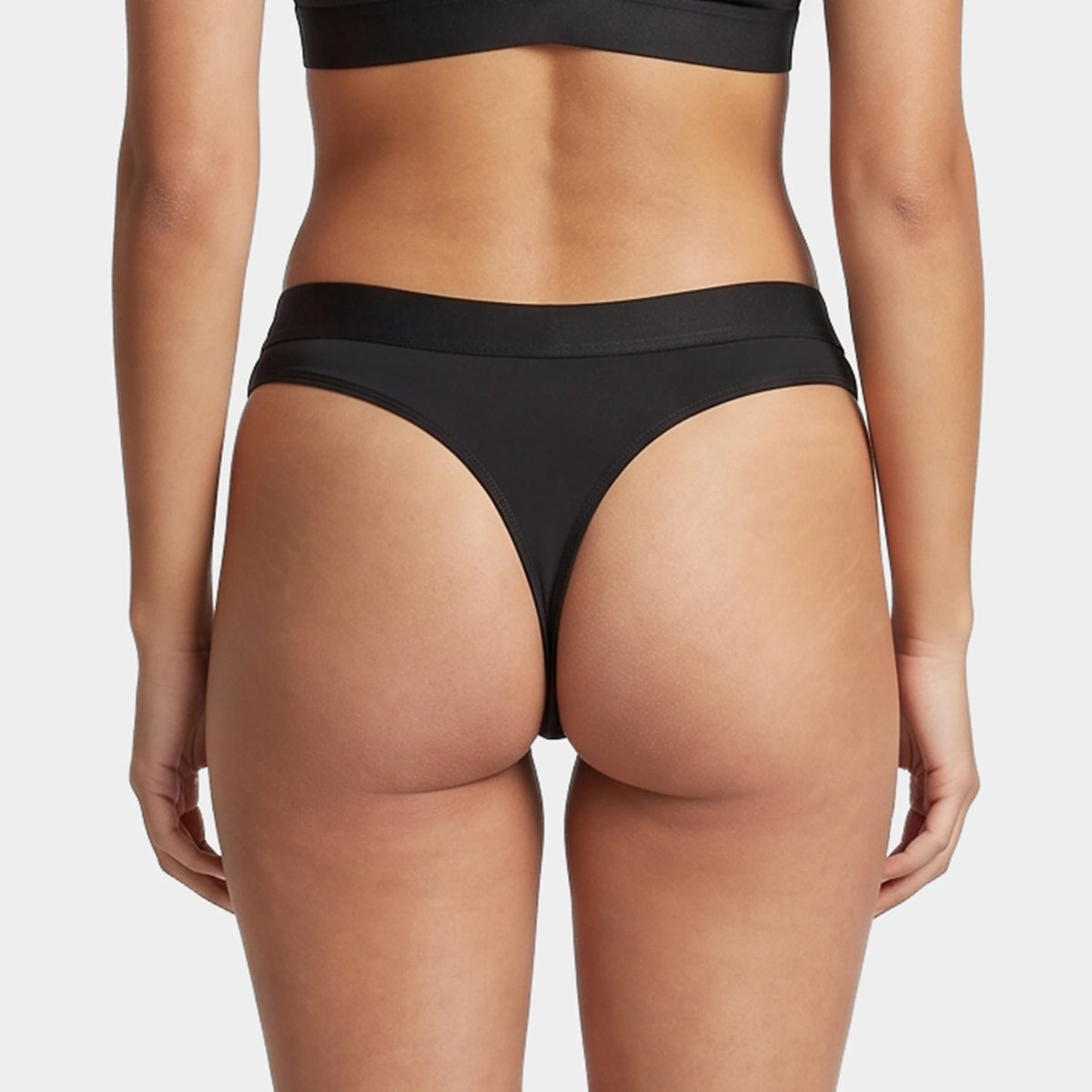
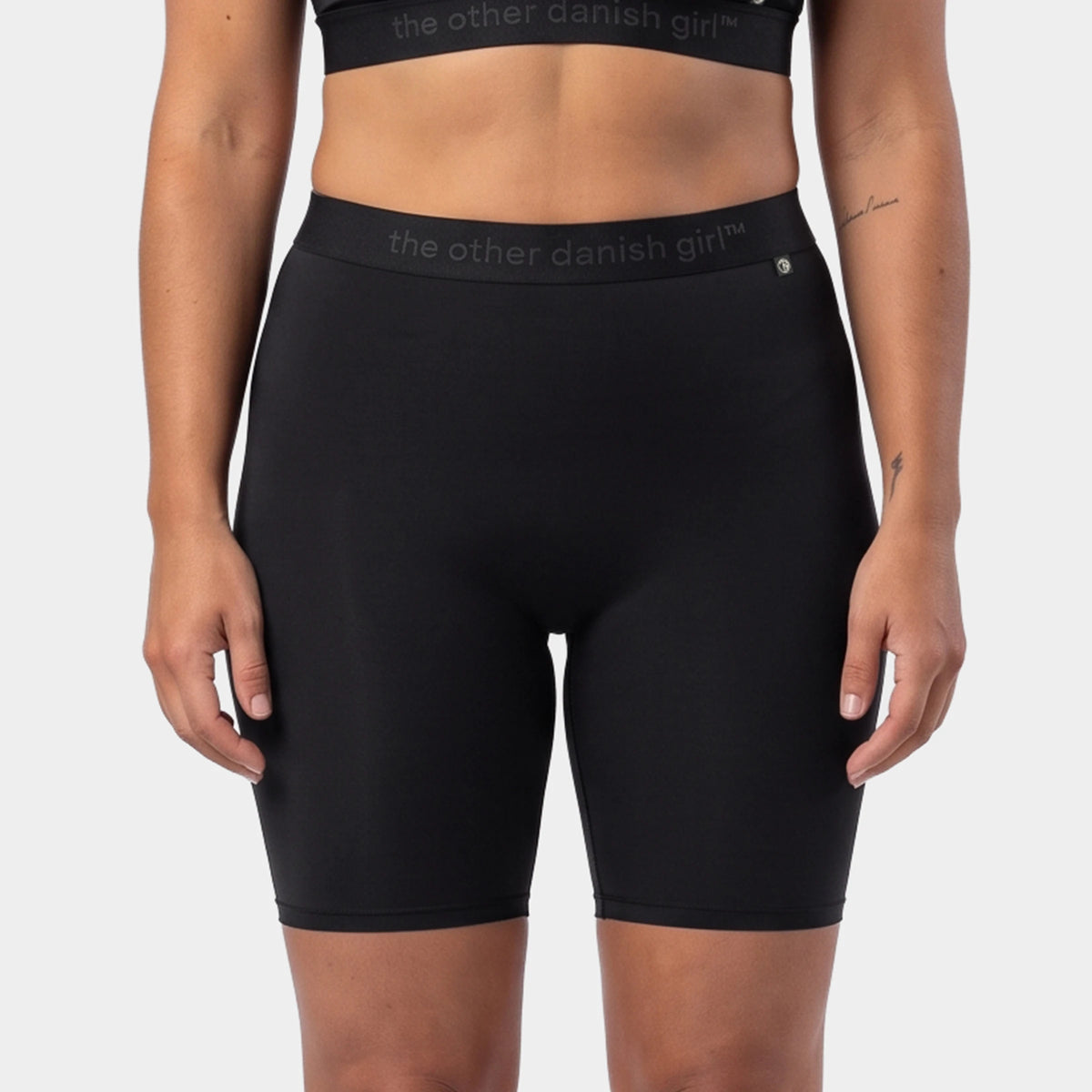
Words like technical, breathable and moisture-wicking are used in underwear marketing because they sound like relief. The real relief is in the mechanism, and the mechanism can be checked. So the next time you go looking for breathable underwear or moisture-wicking boxers, do not trust what the maker claims they do. Find out instead what that fiber actually does when it meets water. Does it drink it, or move it along?
--
The line cotton kills kept looping through my head, so I looked into whether it holds up. According to the experts, this is what happens. When cotton binds moisture, the air is forced out, and air is the insulating layer that keeps a person warm. A soaked textile moves heat off the skin about twenty-five times faster than air does.* If a garment holds the water and conducts the heat away, then in mountain conditions the heat loss that follows can be fatal.



3 comments
Esa Kuparinen
Olipa hauskasti kirjoitettu asiaa. Lopuksi vielä fysikaalinen tosiasia, jota ei voi kiistää: lämpö siirtää kosteutta ja kosteus lämpöä, vähän kuin häntäänsä syövä elukka.
En ole laittanut merkille miten Kalsarini toimivat, pallini ovat ilmeisesti voineet hyvin, lapsenlapsiakin on viisi.
On kirjoitettu, että siitoskyky heikkenee varaston lämmetessä liikaa. Killuttimien tulisi olla asteen verran viileämmässä kuin muu keho. Miten lienee. Henkilökohtaisesti ongelma ei ole enää ajankohtainen, narut laitettu poikki jo viisikymppisenä, lämmetkööt.
Vieläkään ei tunnu missään.
Tiina Palm
Aivan loistavat pöksyt❤️❤️❤️
Minna Suuronen
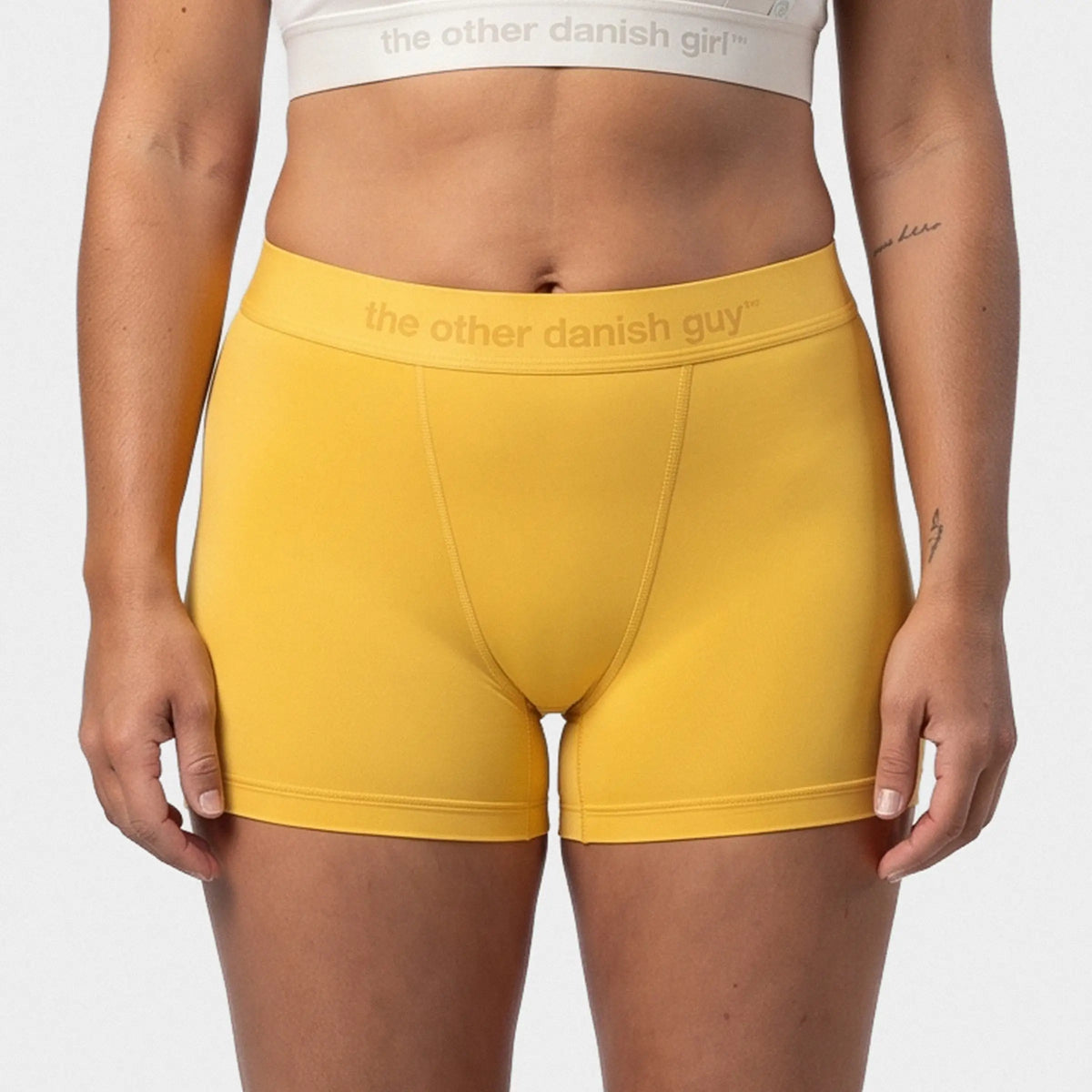
Kiitos kun ajattelette naistenkin “boksereita” tarvittavan, Suuri Kiitos 🌼 💗
Leave a comment
All comments are moderated before being published.
This site is protected by hCaptcha and the hCaptcha Privacy Policy and Terms of Service apply.